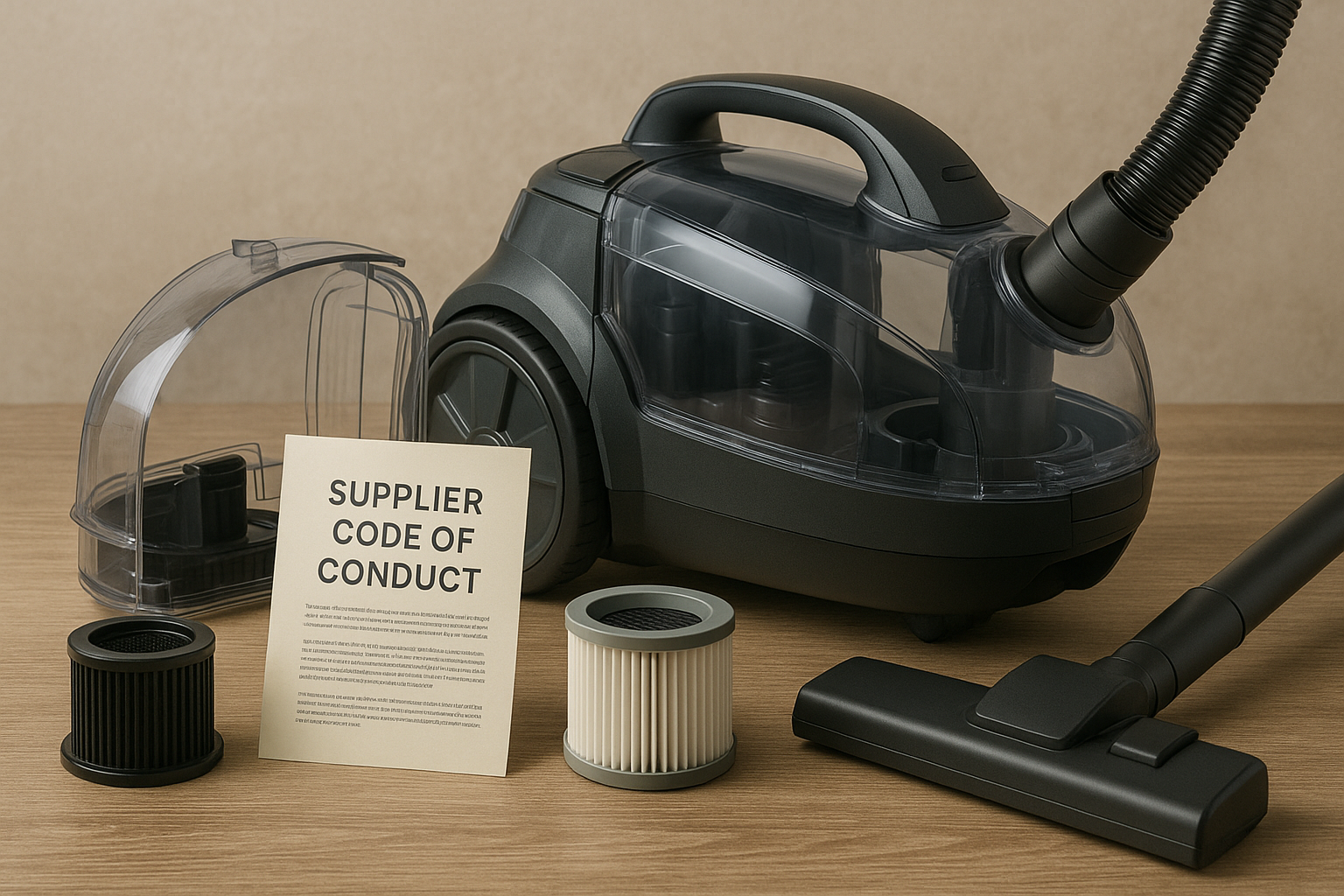
In the world of B2B commerce, trust is currency. For buyers in sectors such as manufacturing, retail, or janitorial services, transparency in the supply chain is not just appreciated—it’s expected. Transparent component sourcing has become a key differentiator in how vendors earn and maintain credibility with discerning buyers.
Supply Chain Openness Strengthens Procurement Relationships
When manufacturers openly share details about their component suppliers, it fosters a sense of partnership. Distributors and B2B clients want to understand not just what they are buying, but where each part comes from, who produced it, and under what standards. Brands like UL Solutions have long set benchmarks for product transparency and safety compliance, which B2B buyers now expect from all partners in the value chain.
Regulatory Compliance and Ethical Assurance
Today’s procurement processes often include strict vetting criteria for ethical sourcing. When companies proactively disclose their sourcing practices, they streamline client audits and reduce onboarding friction. For instance, aligning with global frameworks such as Sedex can help demonstrate adherence to labor, environmental, and safety standards. This proactive approach boosts buyer confidence and speeds up contract approvals.
Data Transparency Enables Predictive Maintenance and Inventory Planning
Knowing the origin and specifications of each component aids maintenance schedules and spare part inventory planning. For example, suppliers who provide granular data on their parts empower clients to implement data-driven inventory controls. A leading case study from McKinsey & Company highlights how industrial B2B partners are integrating real-time sourcing data into predictive analytics models.
Integrated Branding Through Clear Material Disclosure
Transparent sourcing isn’t just operational—it’s strategic. Companies that brand their vacuum equipment with detailed component traceability signals confidence and accountability. By clearly disclosing the makeup of critical systems like motors or filtration units, they align with high-end buyers who demand proof of performance.
This is especially important in high-performance tools like a high-suction, portable and ultra-quiet vacuum system that is self-cleaning, multi-functional and extremely durable—engineered for fast deployment, lightweight handling, energy-saving operations, and efficient results in large-capacity wet and dry cleaning environments—delivered as a powerful industrial-grade vacuum cleaner.
Conclusion
In a market where reputational capital influences sales cycles, transparent sourcing has become a vital B2B trust strategy. It’s no longer sufficient to deliver quality; companies must show how they deliver it. That narrative begins with open supply chains and component-level clarity.
✅ For more insights into component sourcing standards, visit www.lxvacuum.com.











