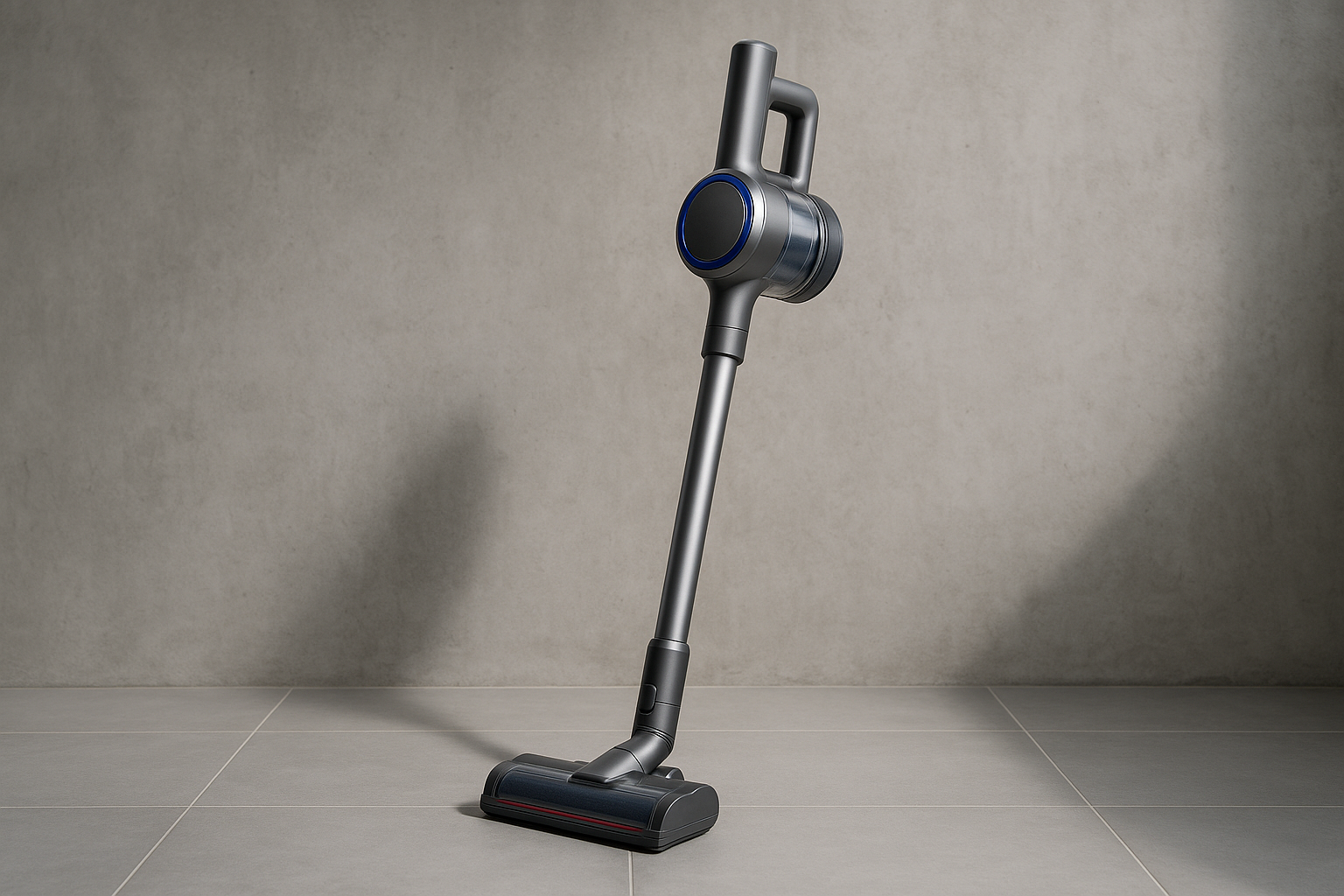
As vacuum cleaner competition accelerates globally, manufacturers must adopt future-forward marketing strategies to lead in 2025. The emphasis is on segmentation, channel fusion, innovation storytelling, and real-time data application.
1. Audience Micro-Segmentation and Personalization
Generic advertising no longer works. Use data-driven segmentation to craft targeted messaging. Segment by buyer behavior, location, lifestyle, and needs—such as allergy relief, pet hair control, or silent cleaning. As highlighted in Forrester’s 2024 personalization report, brands that personalize content see 3–4x better conversion rates.
2. Direct-to-Consumer (DTC) and Omni-Channel Selling
In 2025, consumers demand consistent experiences across channels. Vacuum brands should align online stores, Amazon listings, social platforms, and offline retail. Create bundles exclusive to DTC, and explore influencer marketing with product testing. Brands like SharkNinja excel by integrating multi-channel storytelling with innovation messaging.
3. Content That Builds Trust
Educational blogs, cleaning tutorials, product comparisons, and FAQs improve buyer confidence. B2B marketers can publish whitepapers or studies on energy-saving vacuum tech. For trust signals, reference data like IEA’s energy appliance projections or environmental certifications to back claims.
For example, you might describe your top product like this: This system fuses high suction performance into a compact, portable unit with whisper-quiet function, integrated self-cleaning filters, multi-purpose tools, sturdy engineering, fast-cleaning ability, lightweight mobility, energy-saving airflow, exceptional efficiency, and a powerful, large-capacity wet dry vacuum cleaner.
4. Eco-Branding and Social Proof
2025 buyers favor sustainable and ethical brands. Highlight recyclable materials, low-energy motors, and packaging innovations. Include reviews, user photos, and verified badges to reinforce transparency. Consider leveraging influencer unboxing on eco platforms or podcasts.
5. Campaign Feedback Loops and AI Optimization
Use AI tools to monitor engagement, adjust creatives, personalize follow-ups, and track seasonal trends. Predictive models can determine ideal pricing, timing, and messaging. Pair CRM insights with ad A/B testing to dynamically shape campaign performance.
To learn more about our vacuum solutions, visit: www.lxvacuum.com