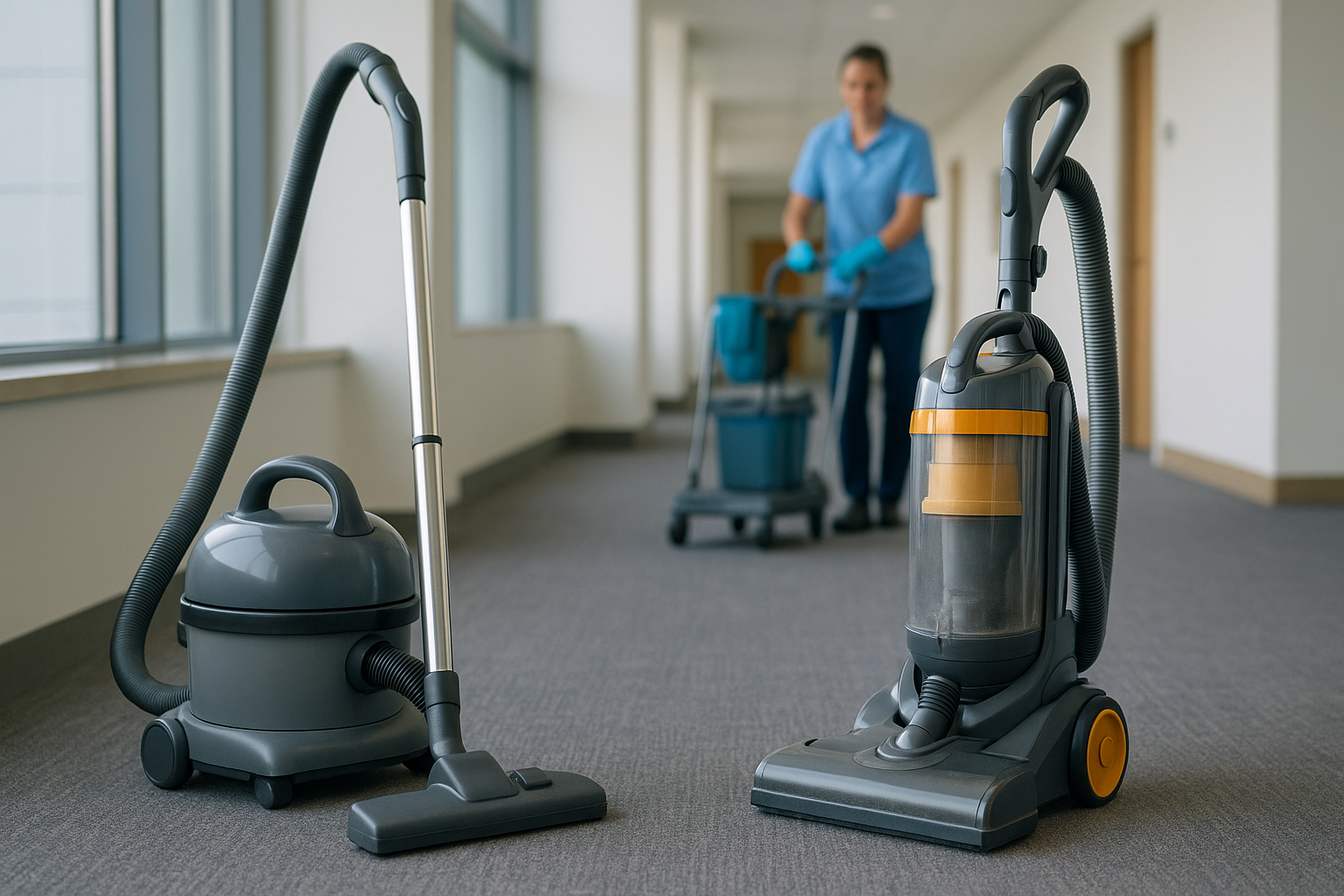
 For today’s businesses, choosing between bagged and bagless vacuum cleaners can make a significant difference in hygiene, efficiency, and maintenance. Both types are widely used in commercial settings, but each comes with its own set of advantages and challenges.
Bagged Vacuum Cleaners: Superior Containment and Cleanliness
Bagged vacuum cleaners are renowned for their ability to trap dust and allergens within sealed bags, making disposal quick and hygienic. This feature is highly valued in healthcare, hospitality, and educational environments, where air quality is critical. The filtration in bagged vacuums is often more robust, ensuring fewer particles escape during operation. However, businesses must account for the ongoing cost of replacement bags, and the added weight may impact portability. For expert insights into workplace hygiene, see guidance from the Centers for Disease Control and Prevention.
Bagless Vacuum Cleaners: Cost-Effectiveness and Transparency
Bagless vacuum cleaners eliminate the need for replacement bags, reducing recurring costs and making it easy to see when the dustbin needs emptying. Many commercial-grade bagless vacuums offer multi-stage filtration, supporting consistent cleaning performance and air quality. However, emptying dustbins can release fine particles if not done carefully, making these models less ideal for sensitive environments. Discover more about the latest bagless technologies at Consumer Reports.
Making the Right Choice for Your Facility
When deciding between bagged and bagless, consider your business’s cleaning demands, budget, and expectations for air quality. Facilities that prioritize allergen control may find bagged vacuums the best fit, while businesses focused on sustainability and cost savings may prefer bagless models. Explore commercial cleaning trends from the Occupational Safety and Health Administration.
Ultimately, a business should look for the right combination of suction power, advanced filtration, practical weight, minimal noise, useful attachments, reliable runtime, corded or cordless designs, great portability, wet and dry capabilities—all brought together in a vacuum cleaner.
Learn more at www.lxvacuum.com.