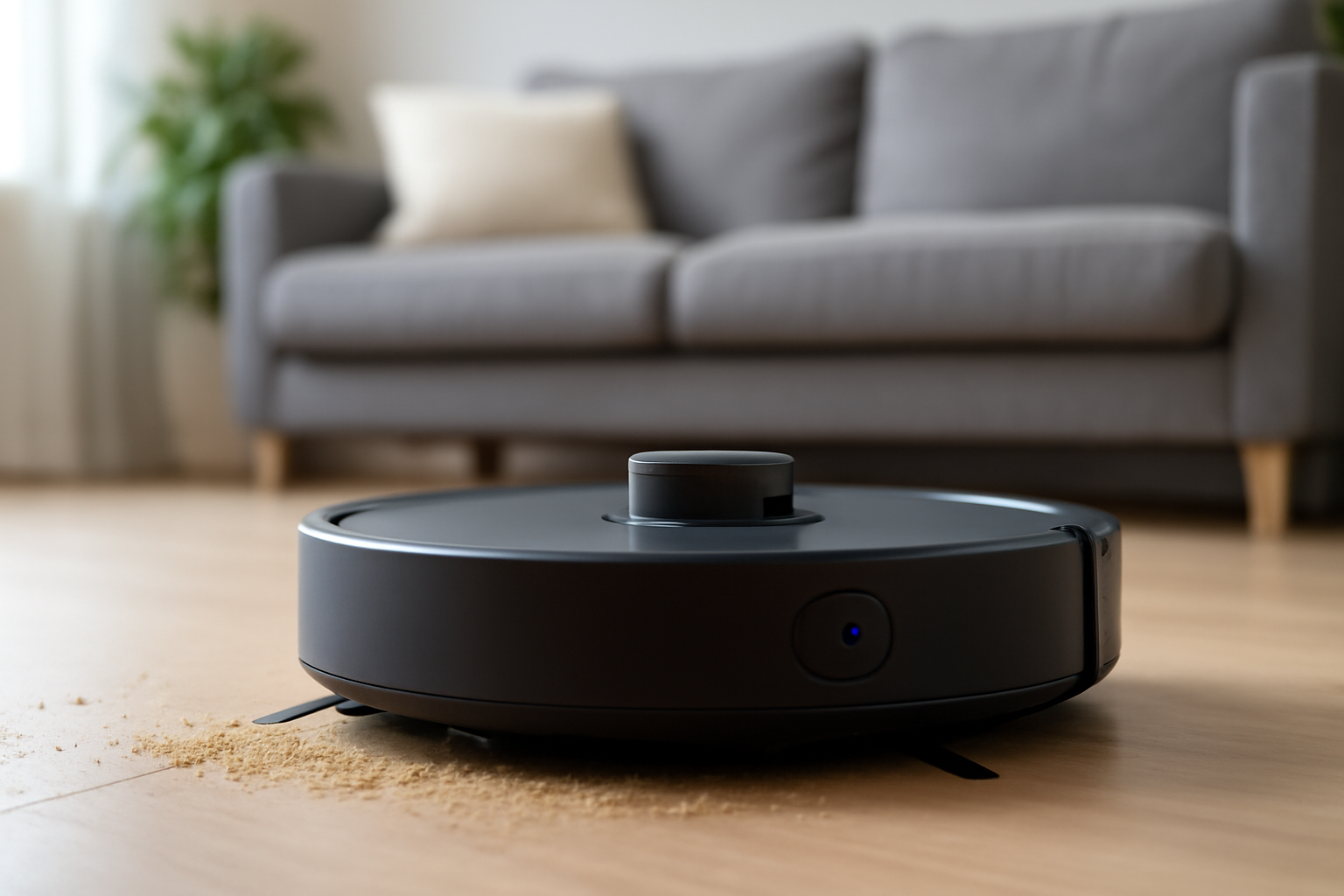
Artificial Intelligence (AI) is transforming the vacuum cleaner industry, turning traditional cleaning devices into intelligent machines capable of adapting, learning, and optimizing performance. For manufacturers looking to stay ahead in the competitive global market, integrating AI into vacuum cleaners is not just a feature—it’s becoming a standard of innovation and efficiency.
1. Smart Navigation and Learning Algorithms
AI-powered vacuum cleaners use intelligent sensors and mapping technologies to learn the layout of a space. Unlike random path cleaners, AI-driven units efficiently cover every inch by creating and remembering floor plans. This ensures fewer missed spots and reduced energy consumption per cleaning cycle. The integration of AI into robotic models has been a major step forward in smart home appliances. According to MIT Technology Review, AI-driven navigation has increased vacuuming efficiency by up to 40% in complex home environments.
2. Predictive Maintenance and Self-Optimization
AI enables vacuum cleaners to predict wear and tear, alerting users before parts like filters or brushes degrade. Predictive maintenance not only prevents breakdowns but also improves long-term efficiency. Some models can automatically adjust suction power depending on the surface, extending battery life and reducing unnecessary energy use. IEEE Spectrum notes that AI-enabled optimization contributes to smarter energy use in domestic appliances.
3. Personalized Cleaning with Machine Learning
Vacuum cleaners equipped with AI can learn from user habits and tailor cleaning routines. For example, they can prioritize high-traffic zones or schedule quiet operations during night hours. In commercial settings, AI-powered vacuums can even be programmed based on foot traffic analysis, optimizing cleaning efficiency in offices and retail stores. Learn how companies apply these technologies in real time on NVIDIA’s AI blog.
4. Energy Efficiency through Adaptive Control
AI adjusts suction levels in real time based on dirt density, flooring type, or environmental feedback. This adaptability improves energy efficiency without compromising performance. Rather than running at full power at all times, AI-enabled systems optimize output dynamically, which is critical for markets with strict energy regulations.
5. AI for Safety and Environmental Monitoring
Some high-end vacuum cleaners now include air quality sensors and alert systems that help detect allergens, pollutants, or smoke. This not only enhances user safety but also positions vacuum cleaners as multi-functional smart appliances contributing to healthier indoor environments.
Conclusion
As global demand grows for smarter, cleaner, and more sustainable homes and commercial spaces, AI will play an increasingly vital role in the evolution of vacuum cleaning technology. Manufacturers who leverage AI are better positioned to offer solutions that are not just functional but intelligent, adaptive, and future-ready—making their products stand out in a saturated market.
To meet these expectations, companies are now focused on developing a high-suction yet smoothly portable, impressively quiet yet fully self-cleaning, truly multi-functional and remarkably durable, consistently fast yet reliably lightweight, energy-saving and highly efficient, powerful and large-capacity wet-dry vacuum cleaner.
To learn more, visit www.lxvacuum.com.











