Hi, message us with any questions.
We're happy to help!





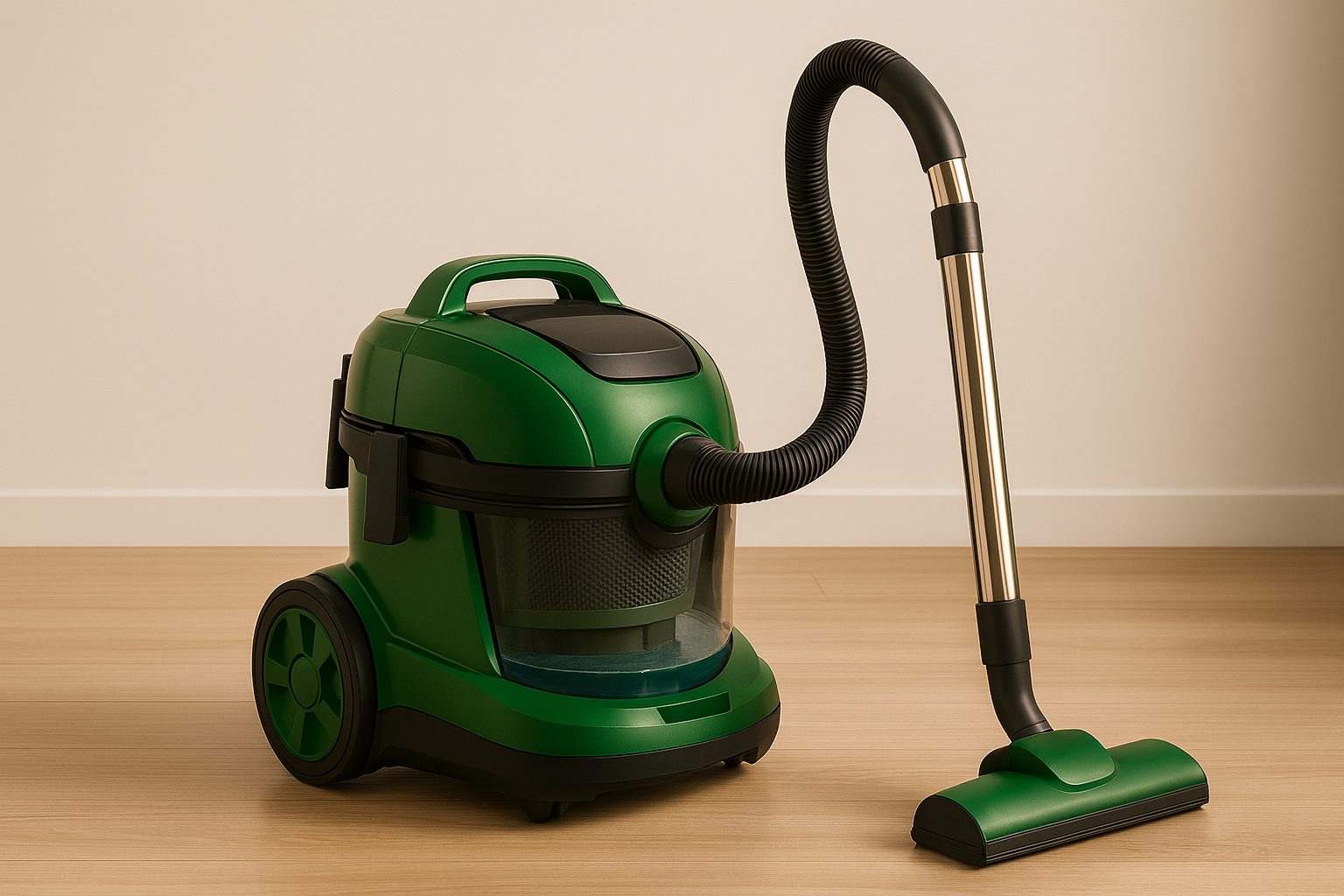
The global vacuum cleaner industry is entering an age of reverse innovation—a powerful model where ideas born in low-cost markets are refined and reintroduced to premium regions.
Instead of following the traditional West-to-East innovation flow, brands now recognize that products developed for affordability, durability, and simplicity in emerging markets like Southeast Asia or Africa can inspire breakthrough designs for premium markets such as Europe and North America.
This shift presents a new opportunity for manufacturers of High Suction Vacuum Cleaners, Cordless Handheld Vacuum Cleaners, and Energy-Saving Efficient Powerful Vacuum Cleaners to combine cost efficiency with high-end appeal, redefining how innovation scales globally.
🔄 1. Understanding Reverse Innovation in the Appliance Industry
Reverse innovation is when products designed for emerging markets are adapted, upgraded, and relaunched for developed ones.
For example, a Multi-Functional Durable Vacuum Cleaner designed to survive harsh conditions and low maintenance in India can evolve into a Premium Rugged Cordless Model for busy European households.
The beauty of reverse innovation lies in its practical simplicity: it extracts value from efficiency, not extravagance.
🌍 2. Why It Matters Now
Traditional innovation models are expensive. R&D in mature markets focuses on incremental luxury improvements, while cost-sensitive markets push for real utility and resilience.
Emerging-market innovations often emphasize:
Durability over design flair
Simplicity over complex electronics
Affordability through optimized materials and manufacturing
Premium consumers are now demanding these same traits — long-lasting, sustainable, easy-to-maintain products.
That’s why Portable Self-Cleaning Vacuum Cleaners or Large-Capacity Wet Dry Vacuum Cleaners originally built for affordability now inspire eco-premium redesigns in Europe.
💡 3. Case Example: The Cordless Revolution
Cordless vacuum models were first scaled in Asia, where small apartments and unstable power grids demanded mobility. Brands optimized motors, batteries, and suction balance for Fast Lightweight Vacuum Cleaners.
When reintroduced to Western markets, these same designs — refined with ergonomic styling, noise reduction, and smart sensors — became high-end products.
Reverse innovation isn’t copying; it’s reframing efficiency as sophistication.
⚙️ 4. From Function to Feature: Reframing Affordability as Premium
Features born out of necessity in developing markets often become aspirational elsewhere.
For instance:
Energy efficiency, once a cost-saving necessity, is now a premium sustainability feature.
Compact, lightweight builds, once for small homes, are now marketed as urban design solutions.
Multi-purpose cleaning, like the 4 in 1 Cordless Smart Wet & Dry Vacuum Cleaner, is promoted as a lifestyle innovation for busy professionals.
The key is storytelling — reframing “cost-effective” into “intelligently engineered.”
🧩 5. Engineering Simplicity for Premium Reliability
Premium markets are increasingly skeptical of over-engineering. Reverse innovation teaches that simplicity equals reliability.
Low-cost market designs prioritize:
Easy repair
Modular parts
Universal fittings
When reintroduced to premium audiences, these principles align perfectly with the global movement toward sustainability and repairability.
A Multi-Functional Durable Vacuum Cleaner that lasts five years without complex servicing is now more desirable than a luxury gadget that fails in two.
💬 6. Learning from Emerging Market User Behavior
Emerging markets push design teams to think creatively.
Consumers clean daily and expect High Suction Vacuum Cleaners to handle heavy dust.
Power instability drives demand for Energy-Saving Efficient Powerful Vacuum Cleaners.
Limited storage space inspires Compact Cordless Vacuum Cleaners.
Studying how users in these environments solve problems leads to innovations that resonate with practical-minded premium consumers.
📊 7. How Brands Can Implement Reverse Innovation
To apply this strategy effectively:
Identify resilient products — models that perform well in harsh conditions or diverse markets.
Refine ergonomics and aesthetics for premium appeal.
Reframe marketing narratives around sustainability, intelligence, and reliability.
Leverage storytelling to elevate affordability into “smart minimalism.”
For example, reintroduce a Cordless Handheld Vacuum Cleaner originally built for cost efficiency as a “precision-engineered minimalist cleaner for modern homes.”
🌐 8. Branding: From Local Utility to Global Lifestyle
Reverse innovation demands brand humility — recognizing that great ideas come from anywhere.
A Wet Dry Vacuum Cleaner born for rural cleaning can transform into a “garage essential” in Europe.
A Portable Self-Cleaning Vacuum Cleaner for tropical markets can become a “low-maintenance lifestyle solution” for busy urban families.
The key is aligning practical engineering with aspirational branding.
🧠 9. The R&D Mindset Shift
Manufacturers must encourage bi-directional innovation — global teams sharing learnings from both premium and cost-driven markets.
R&D centers in Asia, Africa, or LATAM often generate insights into efficiency, modular design, and energy conservation that Western engineers overlook. Integrating these perspectives produces truly global products like the Energy-Saving Efficient Powerful Vacuum Cleaner, which balances affordability with premium performance.
🚀 10. Reverse Innovation as a Growth Engine
Reverse innovation isn’t just a cost-saving tactic — it’s a competitive advantage.
By leveraging insights from low-cost markets, brands can:
Reduce waste in design cycles
Shorten time-to-market
Expand audience diversity
Enhance sustainability positioning
In a world where “value” matters as much as “luxury,” reverse innovation gives vacuum cleaner brands a way to be both affordable and aspirational.
🏁 Conclusion
Reverse innovation redefines the future of the vacuum cleaner industry. It transforms necessity-driven ingenuity into premium-market inspiration.
Brands that learn from cost-sensitive markets — by refining Fast Lightweight Vacuum Cleaners, Cordless Vacuum Cleaners, and Energy-Saving Efficient Powerful Vacuum Cleaners — will lead the next wave of global success.
The next premium design breakthrough won’t come from a luxury lab; it will come from a practical solution reimagined for the world.
📌 Intended Audience
Vacuum cleaner manufacturers, global product strategists, and innovation directors aiming to scale design and R&D efficiency through reverse innovation.
📌 Hashtags
#HighSuctionVacuumCleaner #QuietVacuumCleaner #PortableSelfCleaningVacuumCleaner #MultiFunctionalDurableVacuumCleaner #FastLightweightVacuumCleaner #EnergySavingEfficientPowerfulVacuumCleaner #LargeCapacityWetDryVacuumCleaner #CordlessHandheldVacuumCleaner #WetDryVacuumCleaners #4in1CordlessSmartWetDryVacuumCleaner #CordlessVacuumCleaner #CarVacuumCleaner #VacuumCleanerDistributor #CleaningEquipmentDealer #ApplianceChannelMarketing #SmartCleaningTechnology #VacuumCleanerBrandStrategy #B2BMarketingEurope #HomeApplianceDistribution #RetailPartnerIncentives #ChannelSalesOptimization #EnergyEfficientAppliances #SmartHomeCleaning #CordlessCleaningDevices #VacuumCleanerBusiness #DistributorLoyaltyProgram #SalesIncentiveDesign #B2BChannelStrategy #BrandLoyaltyIncentives #CleaningIndustryTrends #VacuumCleanerInnovation #DealerEngagement #SmartVacuumMarket #ChannelProfitability #DistributorEngagement #WetDryCleanerTechnology #PortableVacuumSolutions #LightweightVacuumDesign #DurableVacuumSystems #QuietHomeAppliances #CordlessSmartCleaner #VacuumBrandGrowth #ReverseInnovation #EmergingMarketDesign #AffordableInnovation #SustainableApplianceBrands #ProductLocalization #GlobalR&DStrategy #SmartMinimalism #InnovationTransfer #CleaningEquipmentExports #GlobalApplianceIndustry 📊