Hi, message us with any questions.
We're happy to help!





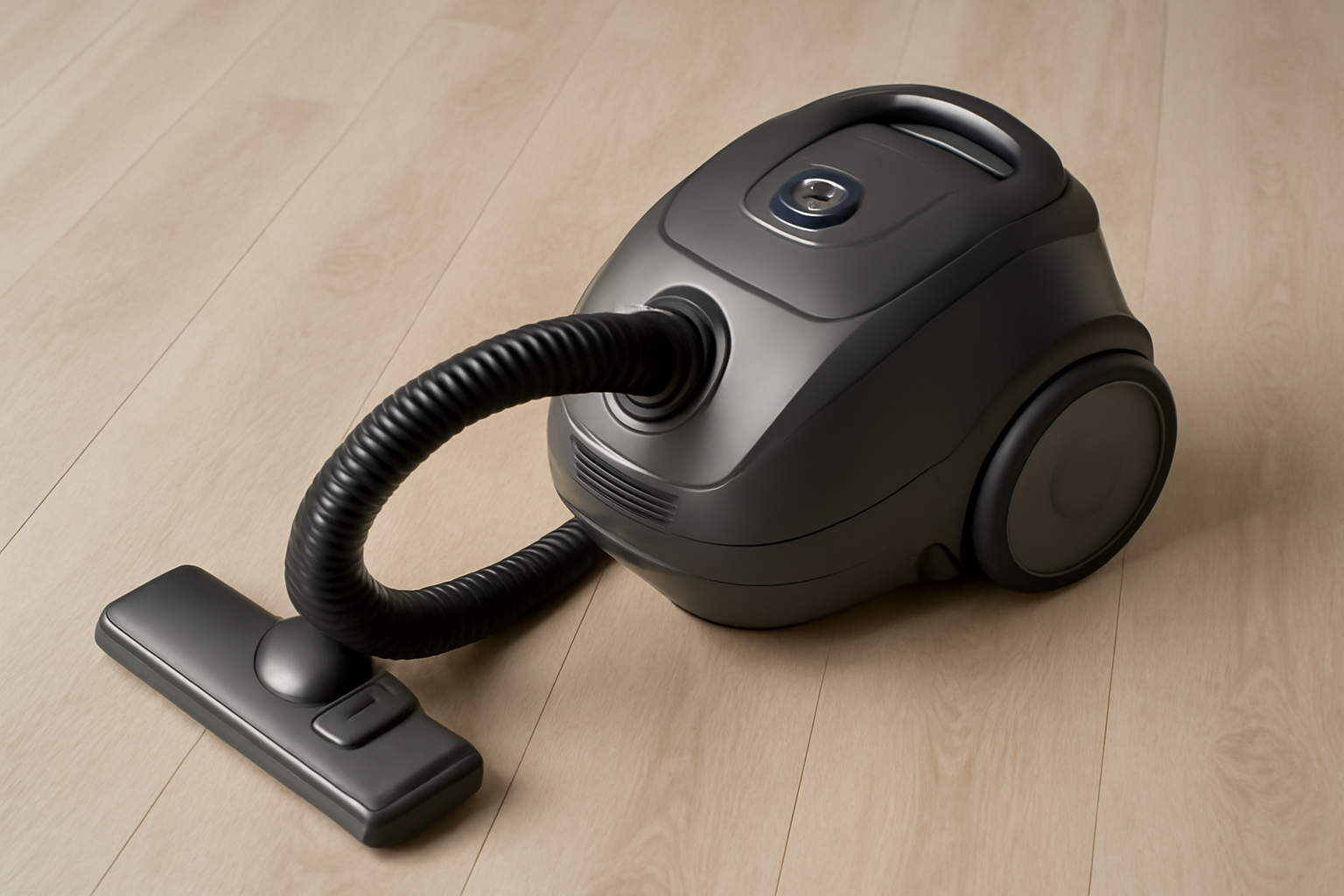
The global vacuum cleaner industry is experiencing a dramatic structural split.
Not by geography.
Not by brand tier.
Not by price segment.
The split is much deeper:
**Companies are either becoming “technology-driven solution providers”…
or they are becoming “commodity assembly factories.”**
And the gap between these two paths is widening fast.
Distributors in Europe and the Middle East have already shifted their purchasing behavior accordingly. Factories that fail to evolve are losing market share, while those who understand the new rules are gaining dominance — without lowering prices or joining a race to the bottom.
In this deep-dive analysis, we will break down the three strategies the winning players are using to outperform competitors — and how these strategies relate to the rise of scenario products such as:
good budget vacuum platforms
best affordable vacuum solutions
robust HEPA Filter Vacuum Cleaner systems
high-durability Wet and Dry Vacuum Cleaner ecosystems
Let’s dive in.
🚀 1. Strategic Shift: From “More Suction” → “More Efficiency per Watt”
For years, brands competed on suction numbers:
15 kPa
20 kPa
25 kPa
32 kPa
40 kPa
50 kPa
Consumers were impressed — until they weren’t.
Today’s markets (EU + GCC) have matured.
Users understand suction numbers can be manipulated and rarely reflect real-world cleaning.
What they want now is:
efficiency per watt, not suction per watt.
This includes:
airflow stability
cyclone geometry optimization
real-time pressure curve balance
nozzle drag reduction
carpet-interaction torque efficiency
multi-surface adaptive airflow
A well-engineered best affordable vacuum can outperform a “40 kPa monster” simply by having:
better airflow
lower pressure resistance
cleaner dust-path layout
balanced brushroll torque
This is why European test labs often find that “budget” vacuums outperform mid-range models in real dirt pickup.
🔧 2. Strategy Two: Engineering for Low Failure Rates, Not High Showroom Appeal
This is the biggest shift among successful distributors in Germany, France, the UK, UAE, Kuwait, and Saudi Arabia.
The best-selling SKUs are NOT the prettiest ones.
They are the most predictable ones.
The models dominating sales have:
stable cyclonic separation
long-lifespan motors
heat-resistant PCB layouts
dust-path pressure predictability
hair-resistant brush systems
robust filtration tolerances
efficient HEPA airflow designs
Meanwhile, many “premium-looking” vacuums fail in real use because:
too many sensors
over-dense filtration
fragile cosmetic panels
thin plastics
inefficient airflow chambers
overstressed batteries
This is why the good budget vacuum category is exploding — it favors engineering performance over cosmetic design.
Engineering beats aesthetics in long-term margins.
A 3% reduction in failure rate increases distributor profit more than any marketing upgrade.
💼 3. Strategy Three: Winning the “Scenario Battle,” Not the “Spec Battle”
Specs are losing power.
Scenario-based SKUs are taking over.
The strongest-selling vacuums in 2024–2025 fall into four scenarios:
🏠 Scenario 1 — Apartments (EU + UAE high-rise residents)
Needs:
compact footprint
low noise
strong filtration
fast dust pick-up
small-space airflow stability
minimal clogging
HEPA Filter Vacuum Cleaner systems dominate here due to indoor air quality concerns.
🧹 Scenario 2 — Budget-Conscious Daily Users
This group has extremely stable volume:
students
young families
rental units
low-maintenance households
They want:
durable design
simple mechanics
no-frills suction
reliable runtime
Hence the boom in:
good budget vacuum
best affordable vacuum
These aren’t “cheap” — they’re optimized for essential cleaning.
🚗 Scenario 3 — Car + Outdoor Cleaning (GCC especially)
GCC structure:
fine sand
heavy desert dust
frequent car cleaning
outdoor patios + garages
Wet and Dry Vacuum Cleaner solutions dominate outdoor applications due to:
larger debris
wet residues
sand + moisture mixtures
deep dust compaction in carpets
🛠 Scenario 4 — Heavy-Duty Multi-Task Cleaning
This group demands:
multi-surface performance
near-commercial durability
hair-resistant brushrolls
clogged-filter tolerance
long lifespan
This is where properly engineered multi-stage filtration and cyclone systems differentiate high-margin SKUs from disposable commodity units.
📊 Why These 3 Strategies Outperform Traditional Selling Models
1. Lower return rates
Scenario-matched products fail less.
2. Higher customer satisfaction
Users feel the product “fits their life,” not just “has high specs.”
3. Higher SKU profitability
Less pressure to discount.
Better reviews → improved conversion.
4. Better brand positioning
You sell expertise, not devices.
5. Alignment with EU & GCC buying psychology
These markets want reliability, not inflated specs.
🏭 Why Many Factories Are Losing the Future (Harsh Reality)
Many Chinese suppliers are stuck in the old pattern:
chasing higher suction
adding unnecessary features
redesigning shells without airflow testing
competing on price
ignoring scenario use-cases
neglecting filtration airflow resistance
using 3–5 cell brands interchangeably
relying on cosmetic “European design language” instead of engineering
But global buyers are changing.
And they now quickly identify:
unstable airflow
weak cyclone separation
poor HEPA execution
repeated blockage failure
nozzle drag inefficiencies
unstable Wet and Dry Vacuum Cleaner performance
Factories that cannot deliver engineering intelligence will be left behind.
🌱 Conclusion: The Future Belongs to Engineering-Driven Scenario Products
The vacuum industry will not be won by:
stronger suction
prettier shells
cheaper pricing
more marketing features
It will be won by:
✔ engineering stability
✔ airflow intelligence
✔ scenario-matched designs
✔ predictable long-term performance
✔ filtration reliability
✔ real-world dirt handling characteristics
The brands that succeed will master the segments:
the good budget vacuum (engineered efficiency)
the best affordable vacuum (value-per-dollar performance)
the HEPA Filter Vacuum Cleaner (filtration leadership)
the Wet and Dry Vacuum Cleaner (scenario versatility)
This is the new blueprint for surviving — and dominating — the next decade of the global vacuum cleaner market.
Hashtags
#lanxstar #GoodBudgetVacuum #BestAffordableVacuum #HEPAFilterVacuumCleaner#WetAndDryVacuumCleaner #VacuumEngineering #AirflowOptimization#CycloneTechnology #SuctionEfficiency #MiddleEastDistributors#EuropeanDistributors #VacuumProcurement #VacuumODM #VacuumOEM#LowFailureRateDesign #ScenarioBasedCleaning #ApartmentVacuumSolutions#AutoCarpetDetection #SmartCleaningTech #BudgetCleaningSolutions#LongLifeVacuum #EngineeringDrivenProducts #DustManagementEngineering#VacuumTestingStandards #WetDryCleaning #MultiSurfaceVacuum#ApartmentCleaningTools #PetHairVacuumSolutions #AirflowStability#HEPASystems #CleaningTechnology2025 #ConsumerElectronicsCleaning#ValueDrivenDesign #DurableVacuumDesign #MotorThermalControl#SmartFiltrationEngineering #CarCleaningVacuum #GCCCleaningMarket#EUCleaningIndustry #SuctionPerformanceDesign #NoiseReductionTech#ModularVacuumDesign #VacuumLineupStrategy #DustExtractionScience#HomeApplianceEngineering #ProcurementStrategies #HighROIProducts



